Independence · devolution · Europe
Scotland's constitutional debate, told from the record.
The Union Question is an independent publication about the argument over Scotland's future in the United Kingdom. We explain the 2014 referendum and its aftermath, the place of people born in England who live in Scotland, the effect of Brexit on devolution, and what Catalonia and other European cases can teach. We take no side: every article sets out the facts and links to its sources.
Featured
 Arguments
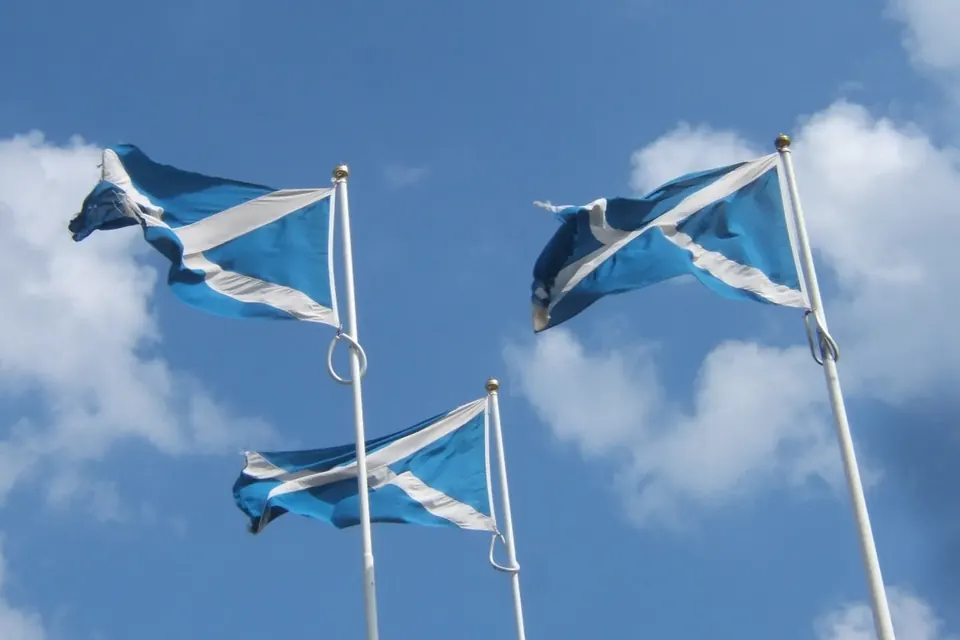
The case put to England in 2014
Anti-English feeling, 'subsidy junkies', oil, the pound and pensions: the claims, and what the record shows.
 Explainers
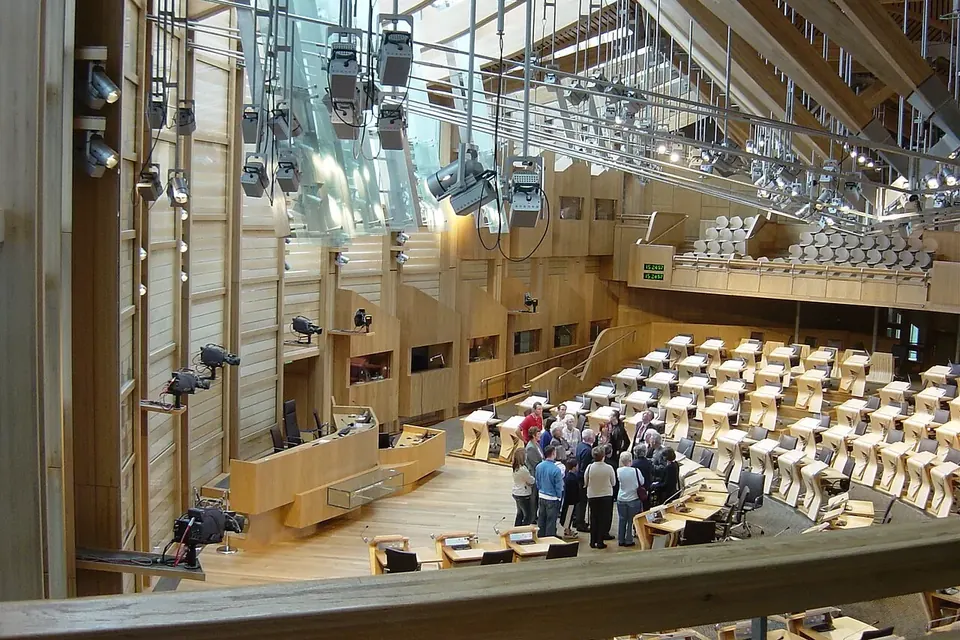
Holyrood's refusal of consent
A 93–30 refusal, the Sewel convention, a walkout at PMQs and the Continuity Bill ruling.
 Explainers
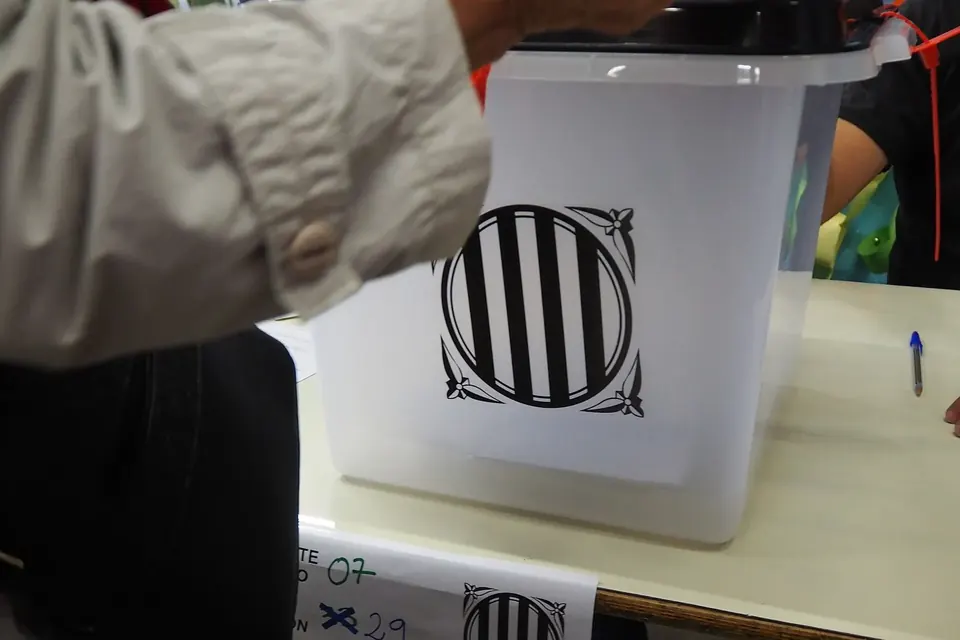
Catalonia, 1 October 2017
The vote declared illegal, the police operation, the results, and the observers' reports.
Questions we answer
- Who could vote in 2014, and how did English-born residents vote? See the case put to England.
- What powers did Holyrood gain after the No vote? See the road after 2014.
- Can Westminster legislate without Holyrood's consent? See the 2018 consent dispute.
- What happened in Catalonia in October 2017? See the referendum and its observers and the declaration.
- Is Scottish nationalism civic or ethnic? See our explainer.
Latest articles
- Writing to England in 2014: the arguments put to English readers during the independence debate
During the 2014 referendum, supporters of independence living in Scotland addressed open letters to England. What did they argue about anti-English feeling, subsidies, oil, the pound and pensions, and how do those claims look against the record?
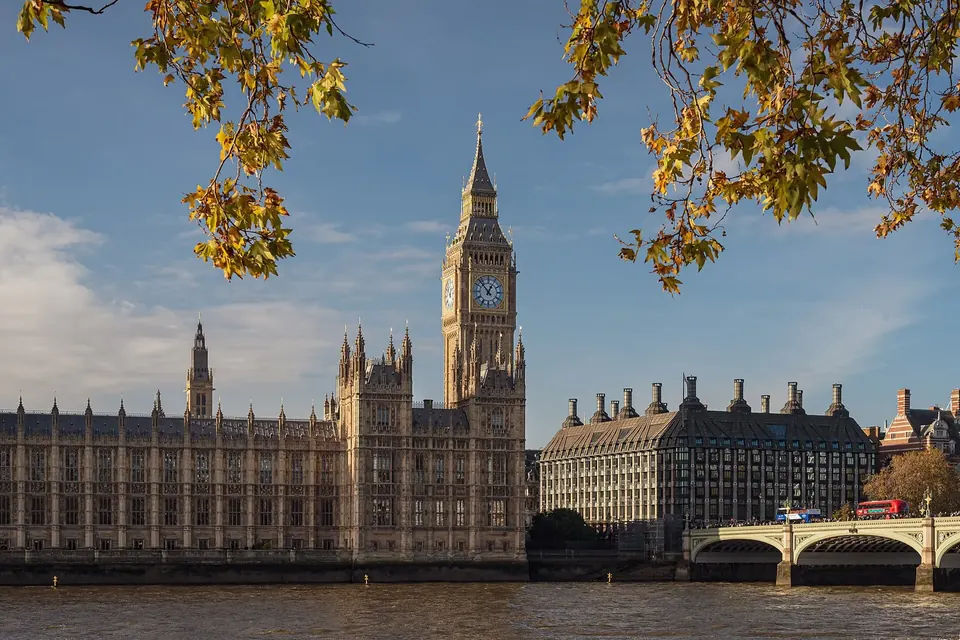
- When Holyrood said no: the 2018 dispute over legislative consent and the EU Withdrawal Bill
In May 2018 the Scottish Parliament refused consent to the EU (Withdrawal) Bill by 93 votes to 30. In June, Westminster passed it anyway. How the Sewel convention works, what the courts said, and why the episode still matters.
- The road after the No vote: the Smith Commission, 'English votes for English laws' and the Scotland Act 2016
What happened after Scotland voted No on 18 September 2014: the Vow, the Smith Commission, the rise of 'English votes for English laws', the SNP surge of 2015 and the powers transferred by the Scotland Act 2016.
- The media and the independence debate: newspapers, broadcasters and the limits of criticism
Only one Scottish newspaper backed Yes in 2014. How the press and broadcasters covered the independence question, how the media landscape changed after the referendum, and where legitimate criticism of journalists ends and abuse begins.
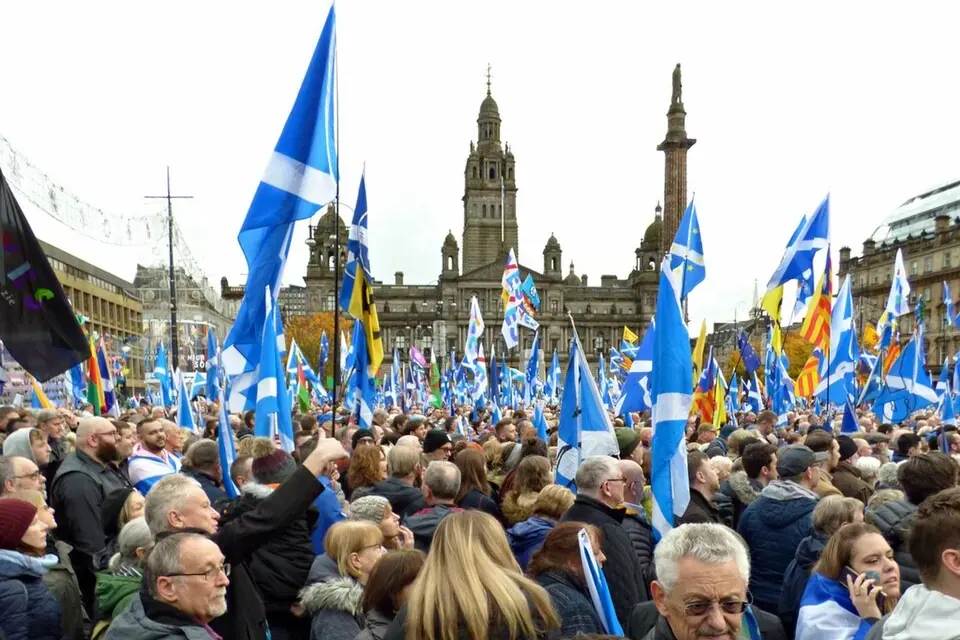
- The Hope over Fear rallies and the 'tale of two referendums' in September 2017
Each September from 2015, independence supporters gathered in Glasgow's George Square to mark the anniversary of the 2014 vote. What the rally of 16 September 2017 was about, and why the EU (Withdrawal) Bill dominated its speeches.
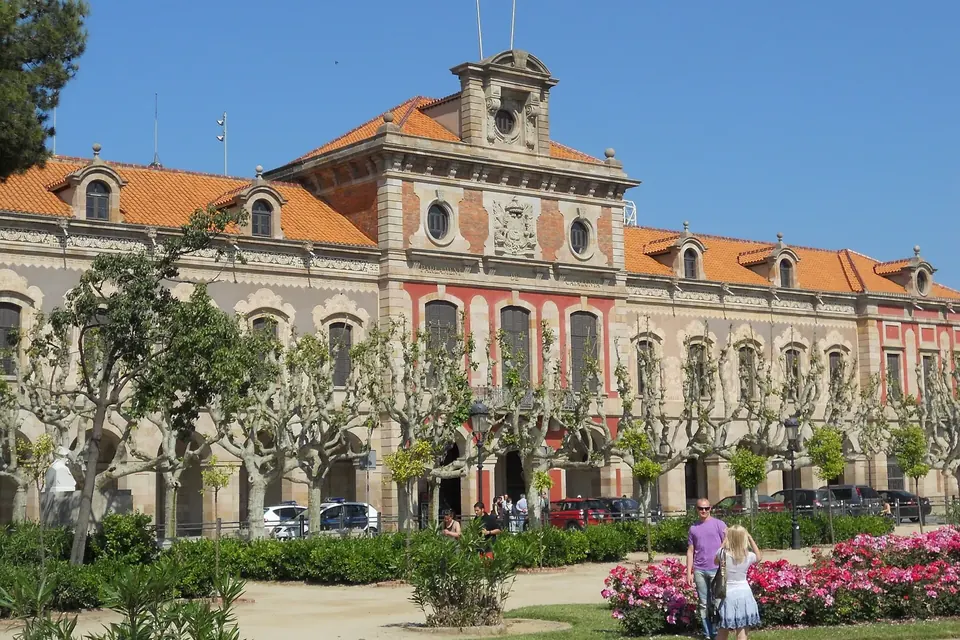
- The Catalan declaration of independence of 27 October 2017, and why no state recognised it
On 27 October 2017 the Parliament of Catalonia voted to declare an independent republic, and Spain imposed direct rule the same day. How the vote happened, how governments in London, Edinburgh and Brussels responded, and what international law says about recognition.
- Observing Catalonia's 1 October 2017 referendum: what happened, and what observers reported
A factual account of the Catalan independence referendum of 1 October 2017: its legal status, the police operation, the results announced, and the international visitors and observer teams who reported on it, from preliminary statements to final reports.
- Edinburgh in 2017: how local independence groups campaigned between referendums
Edinburgh voted 61% No in 2014 and 74% Remain in 2016. How local pro-independence groups in the capital worked in the summer of 2017: street stalls, the Festival, hubs and alliances, and the political map they faced.
- Dumfries and Galloway and the independence question: a border region's politics
Dumfries and Galloway voted No by almost two to one in 2014 and is home to many people born in England. How the region votes, who represents it, and why campaign groups on both sides have long seen it as a test.
- Constitutions, AGMs and office bearers: how Scotland's campaign groups govern themselves
Many groups formed for the 2014 referendum later adopted written constitutions and held annual general meetings. What legal forms are open to political campaign groups in Scotland, why charity status is usually out of reach, and what referendum law requires of campaigners.
Sections
- ExplainersWhat happened and why it mattered: referendums, parliamentary votes, court rulings and the Catalan crisis of 2017.
- ArgumentsThe arguments of the independence debate examined: civic and ethnic nationalism, democracy, the media, and the case put to England and America.
- Events in contextRallies, observation missions, assemblies and the way campaign groups organise, set against the record.
- BackgroundBackground notes on the 2014 referendum, its aftermath and the long argument over the shape of the Union.
Thematic dossiers: Catalonia 2017 · Westminster, Holyrood and Brexit · Local campaigning and organisation · Scotland's regions · Open questions.