The Catalan declaration of independence of 27 October 2017, and why no state recognised it
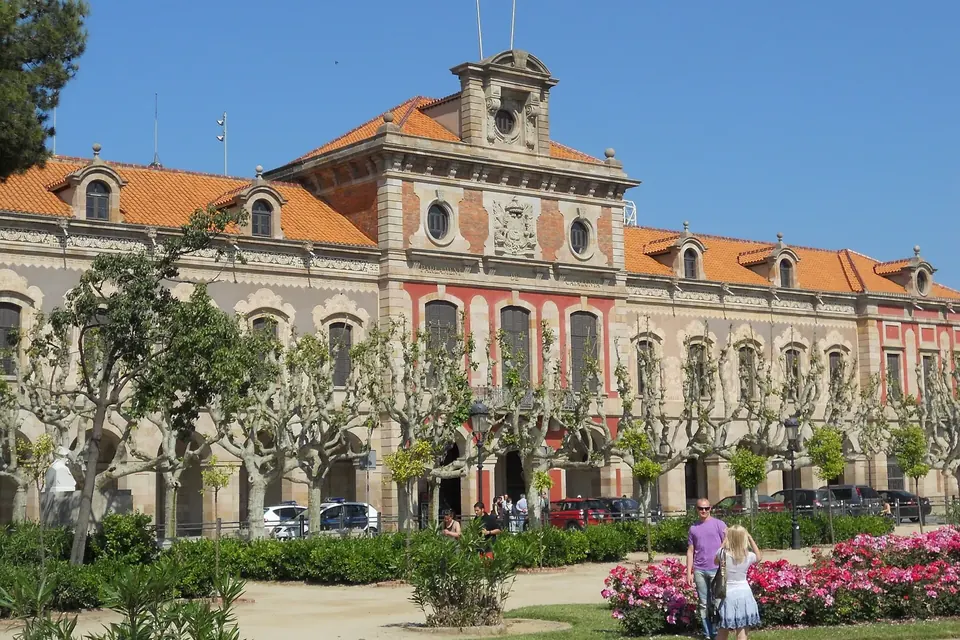
Four weeks after the disputed referendum of 1 October 2017, the Parliament of Catalonia voted to declare independence. Within hours, the Spanish Senate authorised the central government to take control of the Catalan administration, and the declaration had no practical effect. Supporters of independence elsewhere in Europe, including in Scotland, issued statements of solidarity, while governments kept their distance. This article explains what happened and why recognition never came.
Key facts
- 10 October 2017: President Carles Puigdemont announces that he accepts the mandate for independence but suspends its effects to allow dialogue.
- 27 October: the Catalan Parliament adopts a resolution declaring a Catalan Republic by 70 votes to 10, with 2 blank ballots, in a secret vote; most opposition deputies leave the chamber before voting.
- 27 October: the Spanish Senate approves the application of Article 155 of the Constitution by 214 votes to 47.
- 27–28 October: Prime Minister Mariano Rajoy dismisses the Catalan government, dissolves the Parliament and calls elections for 21 December.
The vote in Barcelona
The resolution was presented by the governing Junts pel Sí coalition and the CUP, which together held 72 of the 135 seats. Deputies from Ciudadanos, the Socialists and the People's Party left the chamber before the vote, while the deputies of Catalunya Sí que es Pot stayed and most of them voted against. The use of a secret ballot was seen by many as a precaution against prosecution of individual deputies. The text declared Catalonia an independent and sovereign state in the form of a republic, and called for its recognition.
Article 155
Article 155 of the Spanish Constitution allows the central government, with the approval of an absolute majority of the Senate, to take "the measures necessary" to compel a region to fulfil its constitutional obligations. It had never been used before. Its application in October 2017 removed the Catalan government from office, placed regional ministries under the control of ministers in Madrid and dissolved the Parliament. Direct rule lasted until a new Catalan government took office in June 2018.
How governments responded
- The European Union: the President of the European Council, Donald Tusk, said that for the EU "nothing changes" and that Spain remained its only interlocutor, while urging the use of argument rather than force.
- The United Kingdom: the UK government said that it did not and would not recognise the declaration, which it described as based on a vote declared illegal by Spanish courts.
- The Scottish Government: its external affairs secretary said that it understood and respected the position of the Catalan government, and that the imposition of direct rule could not be the solution. It did not recognise Catalan independence, which is a reserved matter for the UK government.
- Other states: no member of the United Nations recognised the Catalan Republic.
Non-governmental groups in Scotland and elsewhere were freer. Some, including small campaign groups whose members had visited Catalonia on 1 October, declared that they recognised the republic and called on governments to do the same. Such statements had political rather than legal significance.
Recognition in international law
In international law a state is usually described by the four criteria of the Montevideo Convention of 1933: a permanent population, a defined territory, an effective government, and the capacity to enter into relations with other states. Two theories describe the role of recognition. Under the declaratory theory, a state exists once it meets these criteria, whatever other states say. Under the constitutive theory, recognition by other states is what makes it a state.
In practice, the declaration of 27 October failed on effective government: the Catalan authorities did not take control of borders, taxes or security, and the Spanish state resumed control without significant resistance. Recognition by other states would also have breached the principle of non-interference in the affairs of a fellow EU member whose courts had ruled the process unconstitutional.
Supporters of the declaration pointed to the International Court of Justice's advisory opinion of 2010 on Kosovo, which found that international law did not prohibit declarations of independence. The opinion, however, said nothing about whether other states should recognise them, and Spain is among the EU members that do not recognise Kosovo.
Comparison with Scotland
The contrast with the Scottish referendum of 2014 is often drawn. Scotland's vote followed an agreement between the two governments, both of which promised to respect the result. Catalonia's took place against the will of the central state and its courts. Many Scottish supporters of independence have taken from Catalonia the lesson that a referendum must be agreed and recognised to produce a result that others will accept, a question that the UK Supreme Court addressed in 2022 when it ruled that Holyrood could not legislate for a referendum on its own.
Sources
- Parlament de Catalunya, session diary of 27 October 2017.
- Senado de España, approval of measures under Article 155, 27 October 2017; Royal Decrees 942/2017 to 946/2017.
- Statement by President Donald Tusk on Catalonia, 27 October 2017, consilium.europa.eu.
- Montevideo Convention on the Rights and Duties of States, 1933.
- International Court of Justice, Accordance with International Law of the Unilateral Declaration of Independence in respect of Kosovo, advisory opinion of 22 July 2010.
- BBC News, reactions to the Catalan declaration, 27–28 October 2017.
 Explainers
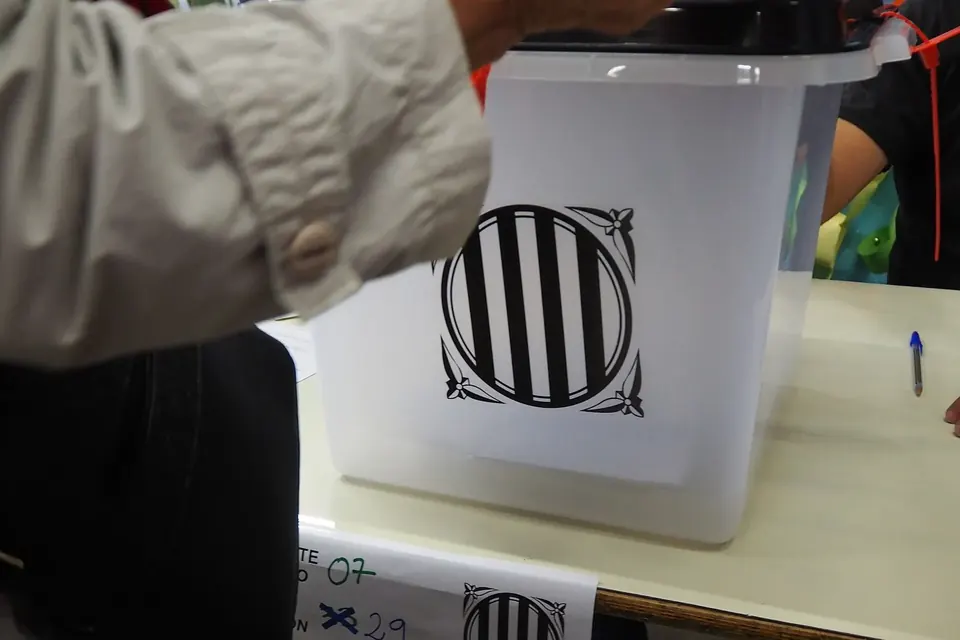
Catalonia, 1 October 2017
The vote declared illegal, the police operation, the results, and the observers' reports.
 Explainers
Holyrood's refusal of consent
A 93–30 refusal, the Sewel convention, a walkout at PMQs and the Continuity Bill ruling.
 Arguments
The case put to England in 2014
Anti-English feeling, 'subsidy junkies', oil, the pound and pensions: the claims, and what the record shows.