Edinburgh in 2017: how local independence groups campaigned between referendums
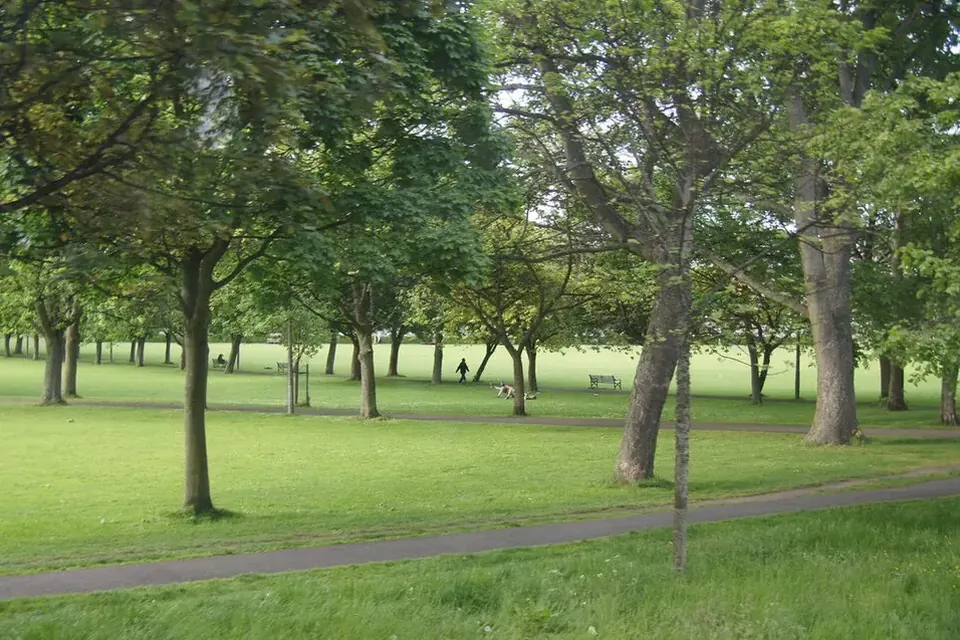
The summer of 2017 was a difficult one for the independence movement. A second referendum had been requested in March, the SNP had lost seats in June, and the First Minister had paused her timetable. Yet many local groups kept campaigning, and Edinburgh offers a good example of how they worked in a city that had voted No.
Edinburgh in numbers
- 2014 independence referendum: No 61.1%, Yes 38.9%; turnout 84.4%.
- 2016 EU referendum: Remain 74.4%, the highest share of any Scottish council area.
- 2017 general election: of five Edinburgh seats, the SNP held three, Labour kept Edinburgh South and the Liberal Democrats took Edinburgh West.
A No-voting capital
In 2014 the City of Edinburgh rejected independence by more than 60%, a larger No vote than the Scottish average. The areas that voted Yes were mostly in west central Scotland, including Glasgow, Dundee, West Dunbartonshire and North Lanarkshire. Edinburgh's electorate includes large numbers of professionals, students and residents born elsewhere in the UK, groups that surveys found less likely to support independence. For campaigners, the city was therefore one where persuasion mattered more than turnout.
The local group model
The 2014 Yes campaign was unusually decentralised. Besides the official Yes Scotland organisation, hundreds of local groups formed around neighbourhoods, along with groups based on professions, faiths and backgrounds, such as Women for Independence, Business for Scotland, and groups for people from England or from other countries who lived in Scotland. After the referendum many of these groups survived in a looser form. Between 2015 and 2017 they typically:
- held regular meetings, often monthly, in community halls or cafés;
- ran street stalls with leaflets, badges and conversation, especially at weekends;
- organised talks by invited speakers, followed by questions;
- maintained mailing lists and social media pages to coordinate volunteers.
Several towns and cities also had "Yes hubs", premises rented by activists to serve as meeting places and shops for campaign material, which allowed groups with no offices of their own to share space and stock.
The Festival effect
Every August, Edinburgh's festivals, including the Fringe, the International Festival and the Book Festival, bring hundreds of thousands of visitors. For campaign groups of every kind, from charities to political movements, the crowds in the city centre and in parks such as the Meadows offer an audience far larger than usual. Local pro-independence groups in 2017 used the period for joint stalls, which had the added benefit of building links between groups that rarely met. The audience, however, was largely made up of tourists who could not vote in Scotland, so the value of such stalls lay as much in visibility and in contacts between activists as in persuading voters.
Alliances between groups
A recurring theme of the period was the effort to coordinate independent local groups without a central campaign. With no referendum date fixed, there was no designated lead organisation as there had been in 2014. Groups therefore built informal alliances: speaking at one another's meetings, sharing stalls and agreeing on joint events. Background-based groups had a particular role, since they could reach voters whom local groups found hard to persuade, such as people born in England, who had voted No by a large margin in 2014. This patchwork approach continued until the creation of more formal umbrella bodies later in the decade.
The political map after June 2017
The general election of 8 June 2017 changed the map that Edinburgh activists faced. The SNP held Edinburgh East, Edinburgh North and Leith, and Edinburgh South West; Labour's Ian Murray increased his majority in Edinburgh South; and the Liberal Democrat Christine Jardine won Edinburgh West from the SNP. Across Scotland the Conservatives gained twelve seats. These results were widely read as a reaction against a second referendum, and they shaped the cautious tone of local campaigning in the months that followed.
What local activism can and cannot do
Research on the 2014 campaign suggests that grassroots activity helped raise turnout and kept the Yes vote high in areas where local groups were strong, but it did not overturn the views of groups that were sceptical from the start. Local campaigning between referendums serves different purposes: keeping activists engaged, recruiting new members and testing arguments. Its results are harder to measure than those of a campaign with a polling day.
For a comparison with a rural region, see our article on Dumfries and Galloway, and for the organisational side, on constitutions and AGMs.
Sources
- City of Edinburgh Council, declarations of the 2014 and 2016 referendum results.
- Electoral Commission, EU referendum results by counting area.
- House of Commons Library, General Election 2017: results and analysis.
- Peter Geoghegan, The People's Referendum: Why Scotland Will Never Be the Same Again, Luath Press, 2015.
- Edinburgh Festival Fringe Society, annual reports.
 Events in context
Dumfries and Galloway
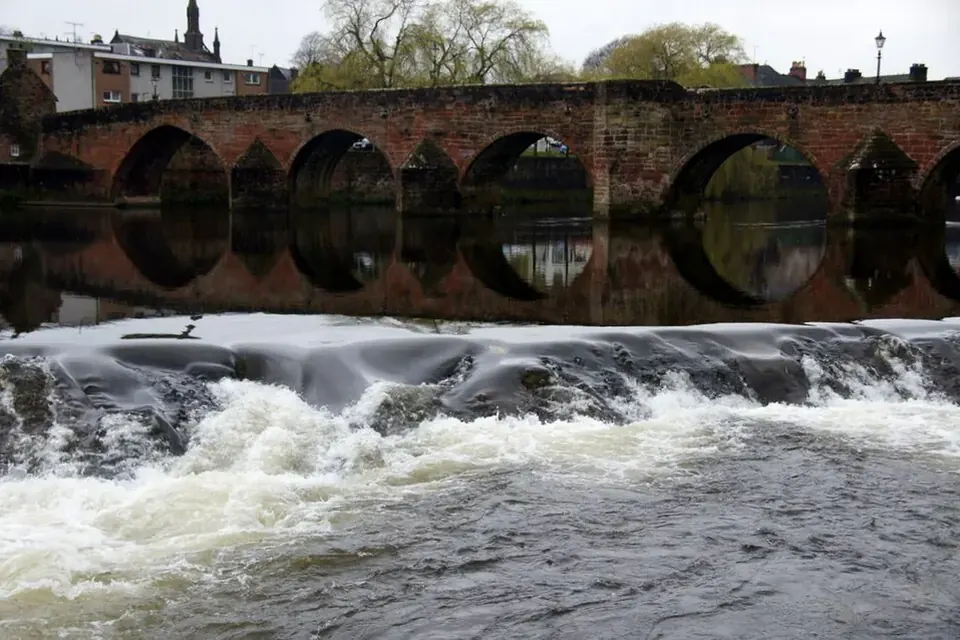
A two-to-one No vote, Conservative seats and a large England-born population in the south-west.
 Events in context
Hope over Fear, 2017
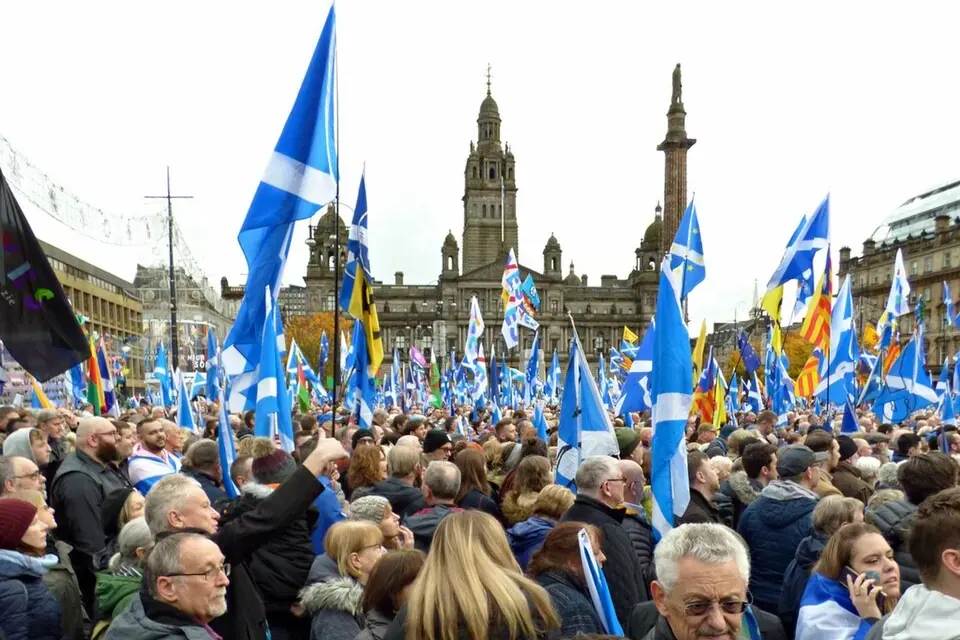
George Square, the 2014 anniversary and the 'power grab' argument over the EU Withdrawal Bill.
 Explainers
The declaration of 27 October 2017
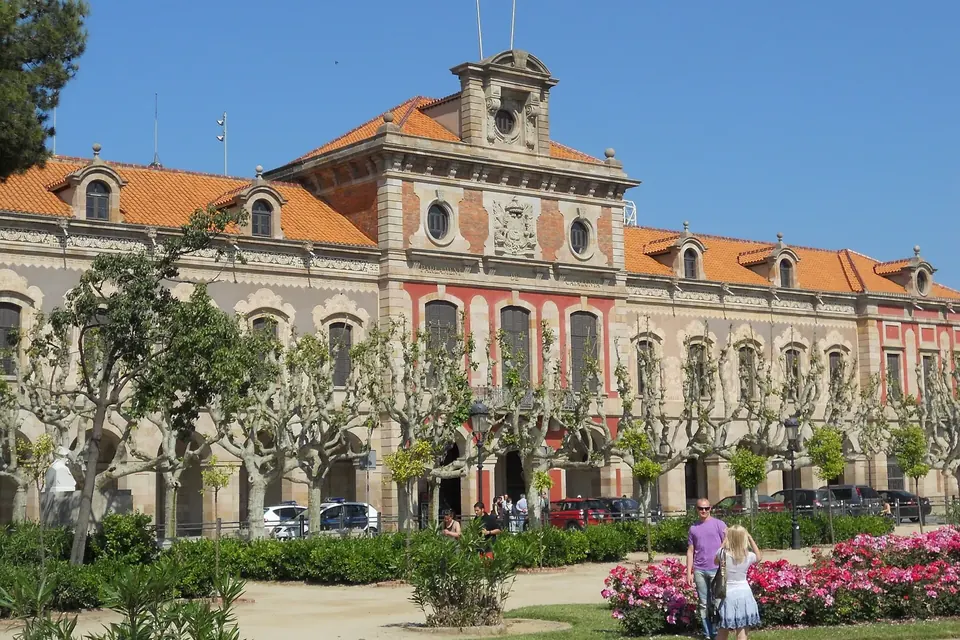
A 70–10 vote, Article 155 the same afternoon, and a declaration no government recognised.